
Resume mistakes can significantly impact your job search and reduce your chances of getting shortlisted by recruiters. Even highly qualified candidates often make common resume mistakes that create a negative first impression. Understanding these resume mistakes and avoiding them can help you create a professional resume that attracts employers and increases your interview opportunities.
A resume is one of the most important documents for any job seeker. It creates the first impression of your professional personality in the mind of an employer. In many cases, your resume determines whether you move forward in the hiring process. Therefore, creating an effective and error-free resume is the first step toward securing your dream job.
Many candidates try to include every achievement and detail from their lives. However, adding unnecessary information can make your resume cluttered and difficult to read. Recruiters often review hundreds of applications, so your resume should be concise, professional, and free from mistakes.
How can you create a resume without making common mistakes?
In this article, we will discuss several important tips to help you avoid common resume mistakes and create a strong professional profile.
We will follow the standard structure of a resume. The main sections of a resume typically include the Title, Career Objective, Professional Summary, Work Experience, Academic Qualifications, and Personal Details. Depending on your profession, some sections may vary, but these are generally considered essential.
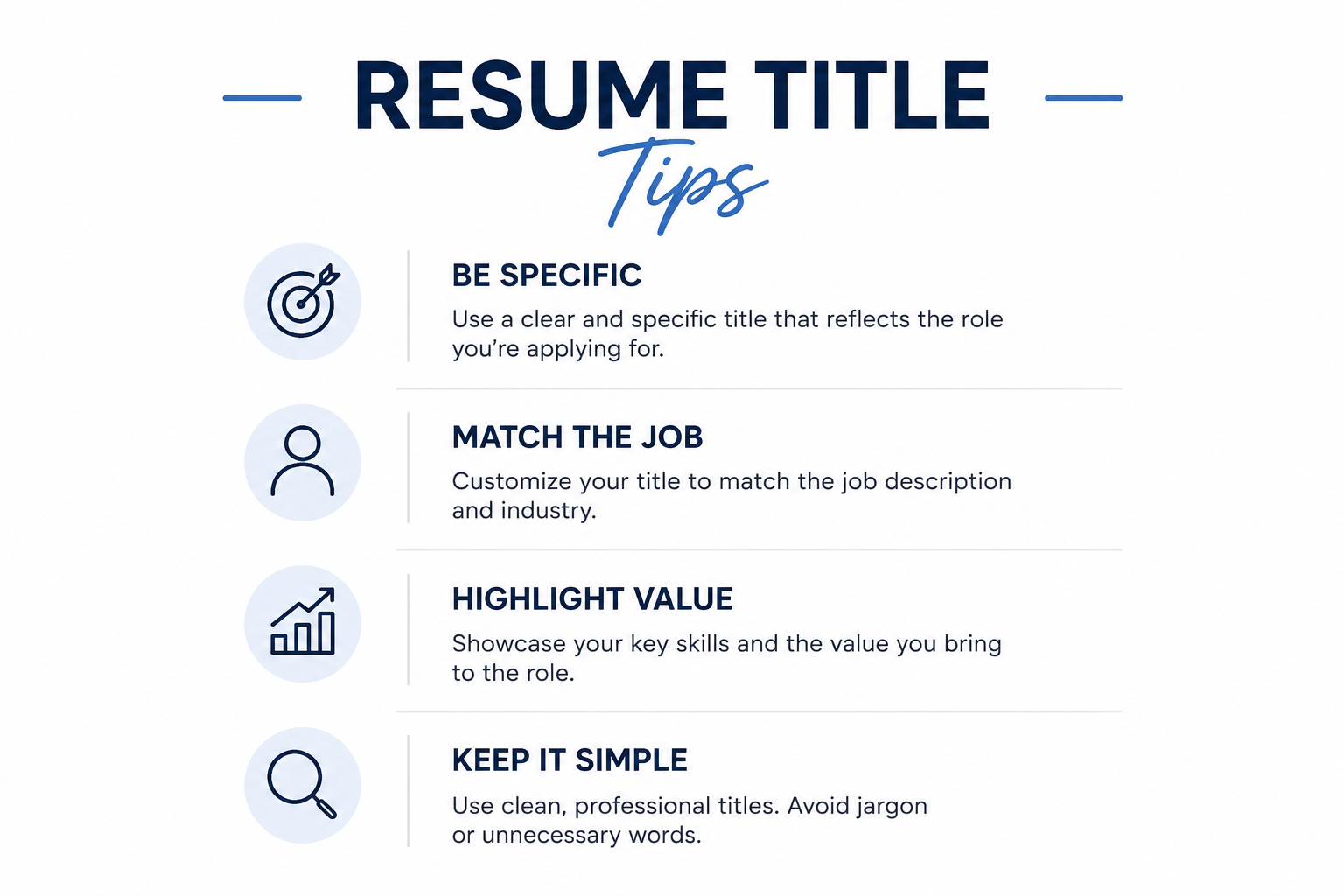
Your resume title is a short statement that highlights your professional identity. It allows recruiters to quickly understand who you are and what position you are targeting. Therefore, your title should be clear, professional, and error-free.
i) Avoid Using "CV" as a Title
Do not use terms like "CV" or "Curriculum Vitae" as your resume title. Recruiters already know the document is a resume. Instead, use your full name as the title, which clearly identifies the document as yours.
ii) Keep Your Name Professional
Your name should not be excessively long or overly decorative. Use your first and last name, and if necessary, include your middle initial. Position it at the top of the page and maintain a professional appearance.
iii) Match the Title with the Job Role
Your title should align with the position you are applying for. For example, if you are applying for a Software Tester role, your professional headline should reflect relevant skills and expertise. A mismatched title can create confusion and leave a negative impression.
iv) Avoid Unnecessary Photographs
Unless specifically requested by the employer or required for international applications, avoid attaching photographs. The space can be better utilized to showcase your skills, qualifications, and achievements.
Following these guidelines will help you create a professional and impactful resume title.
A career objective is a brief statement that outlines your professional goals and highlights the value you can bring to an organization. A well-written objective helps recruiters understand your intentions and suitability for the role.
i) Using the Same Objective for Every Application
A generic objective used for every job application rarely attracts attention. Avoid copying objectives from the internet or other resumes. Research the company and customize your objective according to the role and organization.
ii) Being Too Generic or Vague
(a) Avoid broad statements that could apply to anyone. Instead, focus on your specific skills, strengths, and achievements.
(b) Your objective should not focus only on your goals. Consider the employer's perspective and explain how your skills can contribute to the company's success.
iii) Writing an Overly Long Objective
Your objective should be concise and engaging. Recruiters spend only a few seconds reviewing resumes, so keep your statement brief and relevant.
iv) Setting Unrealistic Goals
Be honest and realistic about your career aspirations. Align your objectives with your qualifications and experience level. Authenticity creates trust and credibility.
A strong career objective encourages recruiters to continue reading your resume.
The professional summary, also known as a career summary, provides an overview of your qualifications, achievements, and strengths. It is an opportunity to demonstrate why you stand out from other candidates.
i) Making It Too Long
Keep your summary concise and focused. If using bullet points, limit them to five or six. Use clear and simple language that is easy to understand.
ii) Exaggerating Achievements
Always present truthful information. If you contributed to projects or events, use action words such as "assisted," "supported," or "contributed" to accurately describe your role.
iii) Repeating Career Goals
Your objective already covers your goals. Instead, use the summary to explain your strengths, accomplishments, and value proposition.
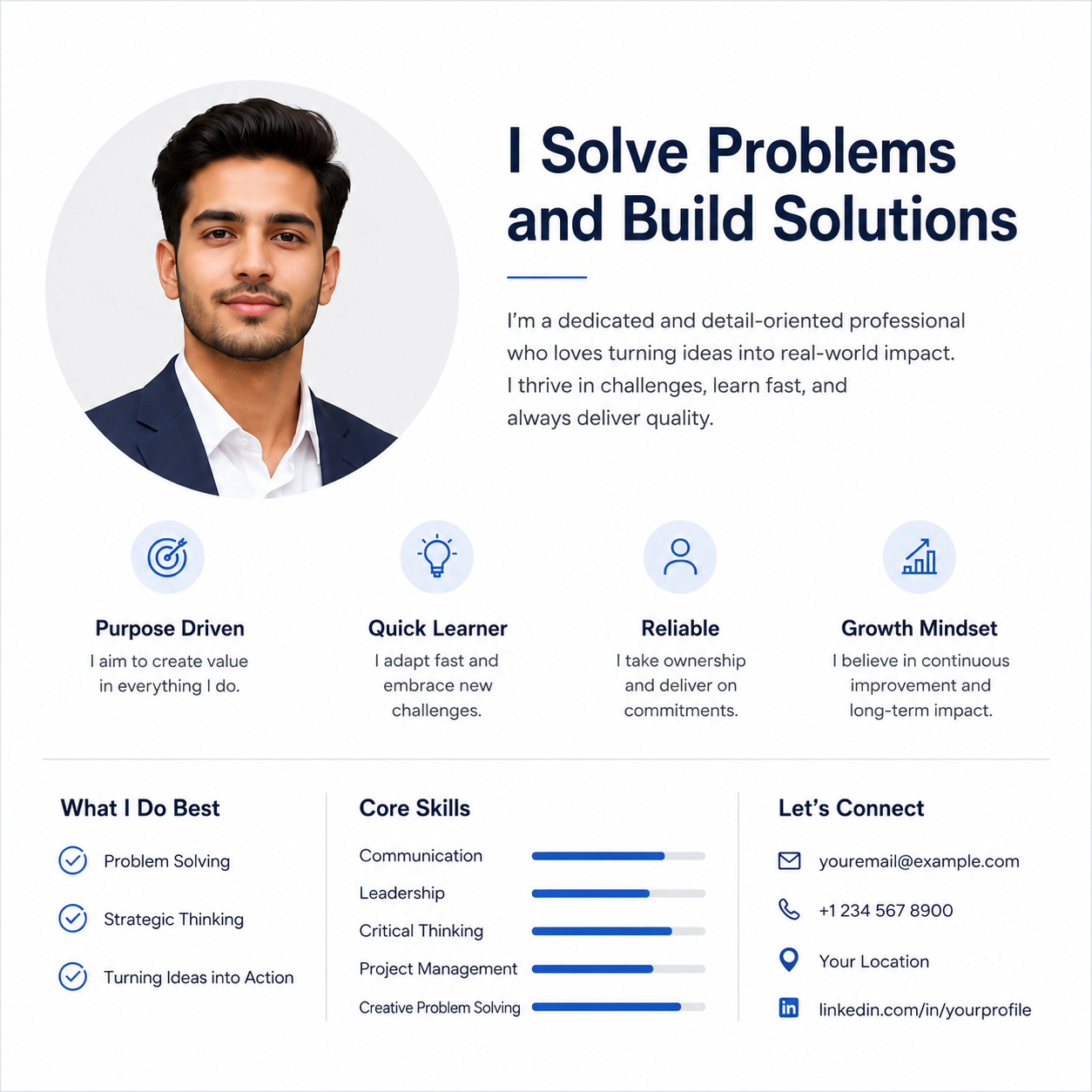
iv) Using Passive Language
Use active language to make your achievements more impactful and engaging.
v) Forgetting to Mention the Target Role
Clearly mention the position you are applying for whenever appropriate. This helps recruiters quickly identify your intended role.
A well-crafted summary can significantly improve your chances of getting shortlisted.
Work experience is one of the most influential sections of a resume. Employers value experience that demonstrates relevant skills, knowledge, and achievements.
i) Including Irrelevant Experience
Only include experience that adds value to the position you are applying for. Irrelevant work history can distract recruiters from your qualifications.
ii) Listing Unverifiable Experience
Never claim experience that cannot be supported with documentation or references. Fake experience can damage your professional reputation and career.
iii) Hiding Employment Gaps
(a) If you spent time building a business, freelancing, or working on personal projects, include that experience honestly.
(b) Freshers who experienced a career gap can showcase internships, certifications, freelance projects, or practical training completed during that period.
iv) Forgetting Professional Profiles
Include relevant professional links such as LinkedIn. Ensure that your profile is updated and reflects the information mentioned in your resume.
These practices will make your experience section stronger and more credible.
Academic qualifications provide evidence of your educational background. While experience and skills often carry more weight, education remains an important part of the hiring process.
i) Placement of Academic Details
If you have more than two years of professional experience, place the experience section before academics. Freshers should typically list academic qualifications first.
ii) Following the Wrong Order
List your education in reverse chronological order, starting with the most recent qualification and moving backward.
iii) Providing Excessive Grade Information
Include overall grades or percentages for completed qualifications rather than yearly academic results.
iv) Mentioning Incomplete Degrees Incorrectly
If a degree was not completed, clearly mention the completed duration or coursework without misrepresenting your qualification.
Presenting your academic information correctly enhances your professional credibility.
Personal details help recruiters contact you and gain a basic understanding of your background. Ensure this information is accurate and up to date.
i) Name
Even if your name appears at the top of the resume, include your full legal name in the personal details section.
ii) Date of Birth
Date of birth is optional in many countries. If included, use a clear and consistent format.
iii) Family Information
Only include family or marital status details if required by the employer or local hiring practices.
iv) Contact Information
Provide a personal mobile number and ensure it is active and accessible.
v) Address Information
In most modern resumes, a full address is optional. City and state information are usually sufficient unless specifically requested.
vi) Professional Email Address
Use a professional email address based on your name. Avoid informal or inappropriate email IDs, as they can create a poor impression.
By following these recommendations, you can create a polished and professional resume that effectively represents your qualifications and increases your chances of securing interviews.
Conclusion: Resume mistakes can negatively impact your job search and reduce your chances of getting shortlisted. Focus on clarity, accuracy, relevance, and professionalism. An error-free resume demonstrates attention to detail and helps you stand out from the competition, bringing you one step closer to your dream job.

Dedicated customized live learning at your own schedule.

Focus in a way that will help you clear the base concept.

No prior experience is required, you will be trained from scratch.

Approximately It will take about 1-3 months for you to learn.

Earn an experience work certificate upon completion.

Anyone you like to go with English, Hindi, Gujarati etc.